This September, after a nine-year discography pause, CHRIST AGONY return with their ninth full-length album, Anthems. According to the press release, this “work that can compete with the trilogy of albums considered by many to be the pinnacle of the black metal pioneers’ earlier career: Unholyunion (1993), Daemoonseth Act II (1994) and Moonlight (1996). Like a hellish steamroller, each track on Anthems crushes and crushes”. Joining us today in our virtual studio is the band’s founder, a leader and a mastermind behind CHRIST AGONY — Cezary ‘Cezar’ Augustynowicz.
After the 2016 album Legacy there was quite a long break. Do you now feel like you’re returning to the scene — or more like you never really left? What are your feelings as you prepare to release Anthems?
After releasing the album Legacy in 2016, there was indeed a longer silence. However, for me, it was never really a break because I’ve been deeply connected to music all the time — writing, creating, experimenting. Now I feel like I’m returning to the scene with new energy and awareness, but at the same time, it feels like I never truly left.
Anthems is the result of many years of work and maturity that I’m finally able to fully express. I’m very excited about this release and ready to share it with the fans.
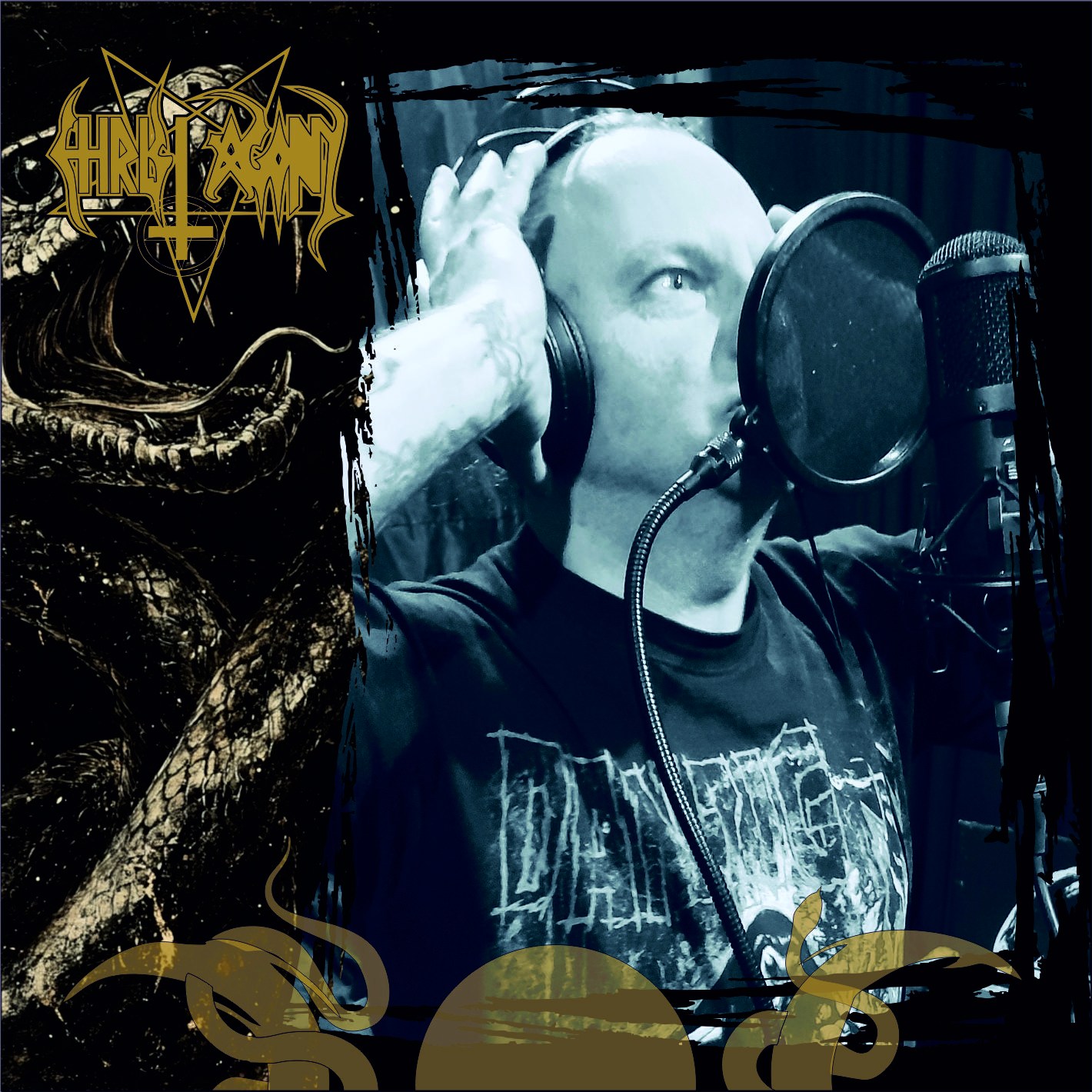
Has there ever been a moment in the history of CHRIST AGONY when you thought about quitting the band entirely? As far as I know, you’ve dealt with lineup issues, label troubles, and even problems with the band’s name. Did these challenges push you to keep going — or were there times when you truly wanted to give up?
Throughout the history of CHRIST AGONY, there have been many difficult moments that could have made me think about ending the band. Lineup issues, problems with record labels, and even disputes over the band’s name were just some of the challenges I faced. However, these obstacles became a source of motivation rather than a reason to give up. On the contrary — every hurdle only strengthened my conviction that it’s worth fighting on.
The music and the spirit of the band mean something timeless to me, so despite moments of doubt, I never truly gave up.
Legacy was self-released, Anthems is coming out through the small label Deformeathing Production. Is it difficult nowadays to get offers from bigger labels? Or do you think labels are no longer necessary in today’s music landscape?
Indeed, nowadays, it’s difficult to get offers from major labels, especially in niche genres like ours. The music industry has changed a lot — streaming, social media, and self-distribution give artists more independence. On one hand, this is great because we can have full control over our work, but on the other hand, the lack of support from a big label also means more organizational and promotional challenges. That’s why for me, it’s important to find partners who understand my vision and support it on their own scale, even if it’s a smaller company.
A quote from the upcoming album’s press release states: “Cezar has managed to pull himself out of the abyss of extreme life in favor of a more quiet, observational and mature attitude as an artist and a human being.” What kind of “extreme” life are we talking about? What does that mean exactly?
The quote from the press release refers to my life and experiences connected to the intense lifestyle of an artist within the extreme music scene. This life is full of extreme emotions, challenges, sometimes chaos, and intense work that can heavily strain both mind and body. When I talk about an “extreme” life, I mean all those moments when I was balancing on the edge of endurance — both artistically and personally. Today, I am calmer, more reflective, and more aware of my limits, which allows me to create more mature music and better understand myself.
And what’s the wildest thing you’ve done in your life?
There have been many, but probably the most adrenaline came from concerts and life on the road, where anything can happen. It’s this mix of intensity, passion, and unpredictability that created unique moments I will remember forever.
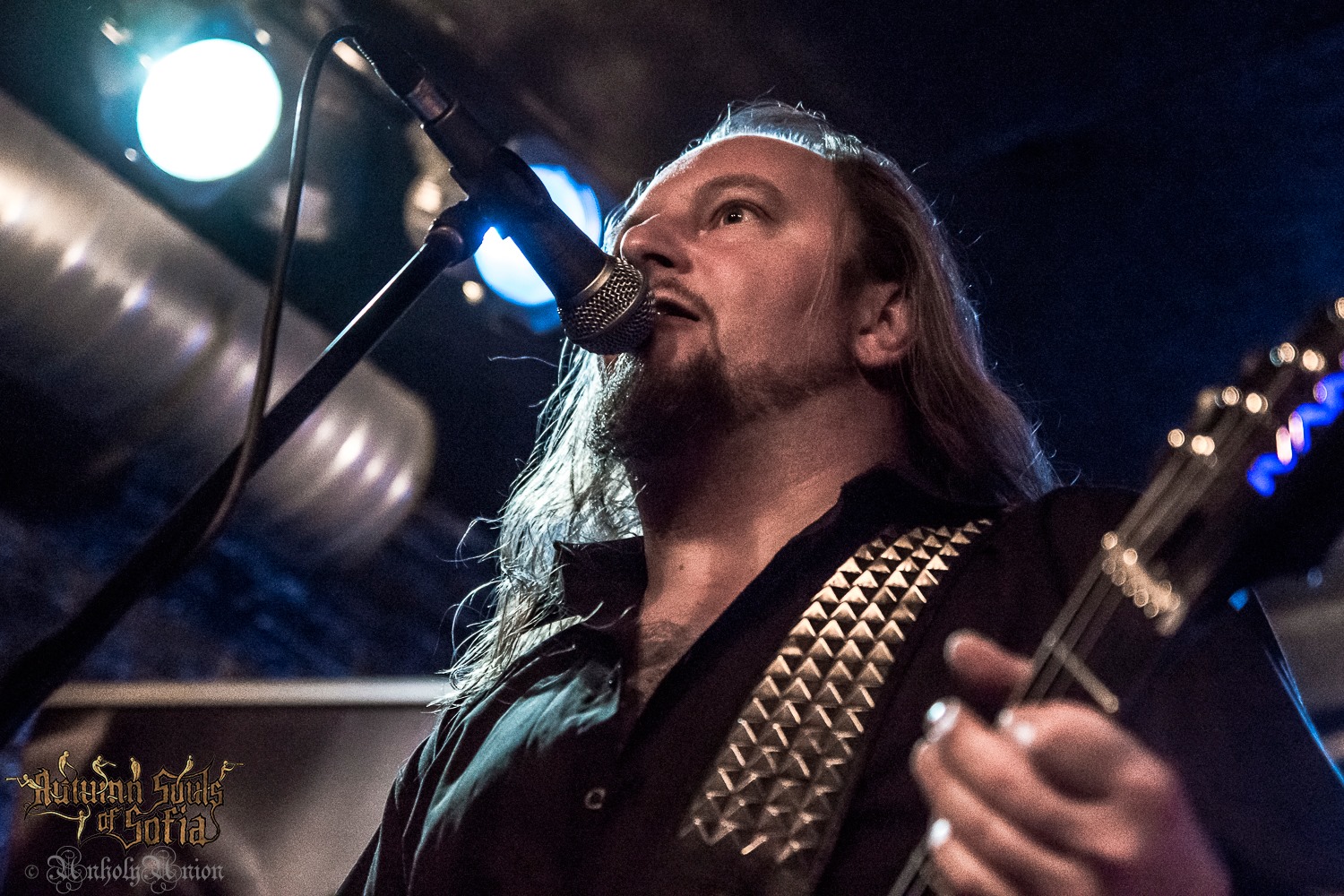
Do you enjoy performing live and touring?
Overall, I really enjoy performing live and touring. For me, it’s not only a way to promote the music but also a unique opportunity to share emotions and energy with the audience.
Are there plans to play shows in support of the album? Has your left hand fully recovered after the old surgery — does it cause any issues on stage?
Yes, we plan to play shows in support of Anthems. I’m really eager to get back on stage and meet the fans live because it’s a completely different dimension of music and energy.
My left hand is recovering after the surgery — it’s not quite like it used to be, but it doesn’t cause major issues on stage. I’m working on it and trying to prepare as best as possible for the performances so nothing limits my freedom to play.
In 2017, most of the musicians left CHRIST AGONY. Why did that happen?
In 2017, most of the musicians left CHRIST AGONY for various reasons. These were both personal matters and artistic differences, which naturally occur in any band that has been active for many years. Sometimes people have different life plans or musical visions that lead to lineup changes. It was a difficult moment, but it also gave me space to look at the project from a new perspective and continue it on my own terms. Thanks to that, I was able to focus on creating and invite new musicians who share my vision.
Looking at the CHRIST AGONY’s long history, did it ever truly feel like a band — or has it always been your project that you fully control from start to finish?
CHRIST AGONY has definitely been a band, but at the same time, it has always been my personal creation. Over the years, I have been the leader and main creator, which allowed me to have full control over every aspect of the music and artistic vision. However, working with different musicians brought a lot of value and energy to the project, which is invaluable. So I can say it’s a combination of a band and my own project — a place where collaboration meets my vision and passion.
Of course, I haven’t heard Anthems yet, and it’s hard to judge based on just one song, so let me ask. The press release draws parallels with the early albums Unholyunion, Daemoonseth Act II, and Moonlight. Was this done to attract longtime fans (for whom that era is undoubtedly a favorite), or did you genuinely return to the mindset and musical taste of that period?
The comparisons to the early albums Unholyunion, Daemoonseth Act II, and Moonlight are a great compliment to me because those records form the foundation of our work and my musical identity. However, Anthems is not just an attempt to return to that era. It’s more of a natural continuation and development of those sounds and approaches that were important to me. I wanted the new material to have the spirit of those years but also to reflect my current experiences and artistic maturity. So it’s not just a nod to longtime fans, but a sincere and conscious path I have chosen.
Do you consider, for instance, the Elysium period and its sonic or stylistic experiments to be unsuccessful? And more broadly — are there any “unloved children” in CHRIST AGONY’s large discography?
The Elysium period was an important stage for me in terms of experimenting and exploring new sounds and styles. I don’t consider it unsuccessful — quite the opposite, it gave us an opportunity to grow and opened new musical spaces. Every phase in CHRIST AGONY’s history brings something valuable, even if not all experiments were received equally by fans. Regarding “unloved children,” it’s hard to say, because every album and every song has its role and place in the band’s overall story. Even the less popular elements are part of our identity and artistic journey.
If you had the chance to go back to the early ‘90s, to the very beginning of the band’s existence — what advice would you give to your younger self?
If I could go back to the early ’90s, I would tell my younger self not to be afraid to follow his own path and trust his intuition. It’s important to stay authentic and not give in to market pressures or other people’s expectations. Every mistake and every difficulty is part of the process from which you can learn a lot. Also, remember that music is primarily passion and self-expression — it’s not a race but a journey to be enjoyed at every stage.
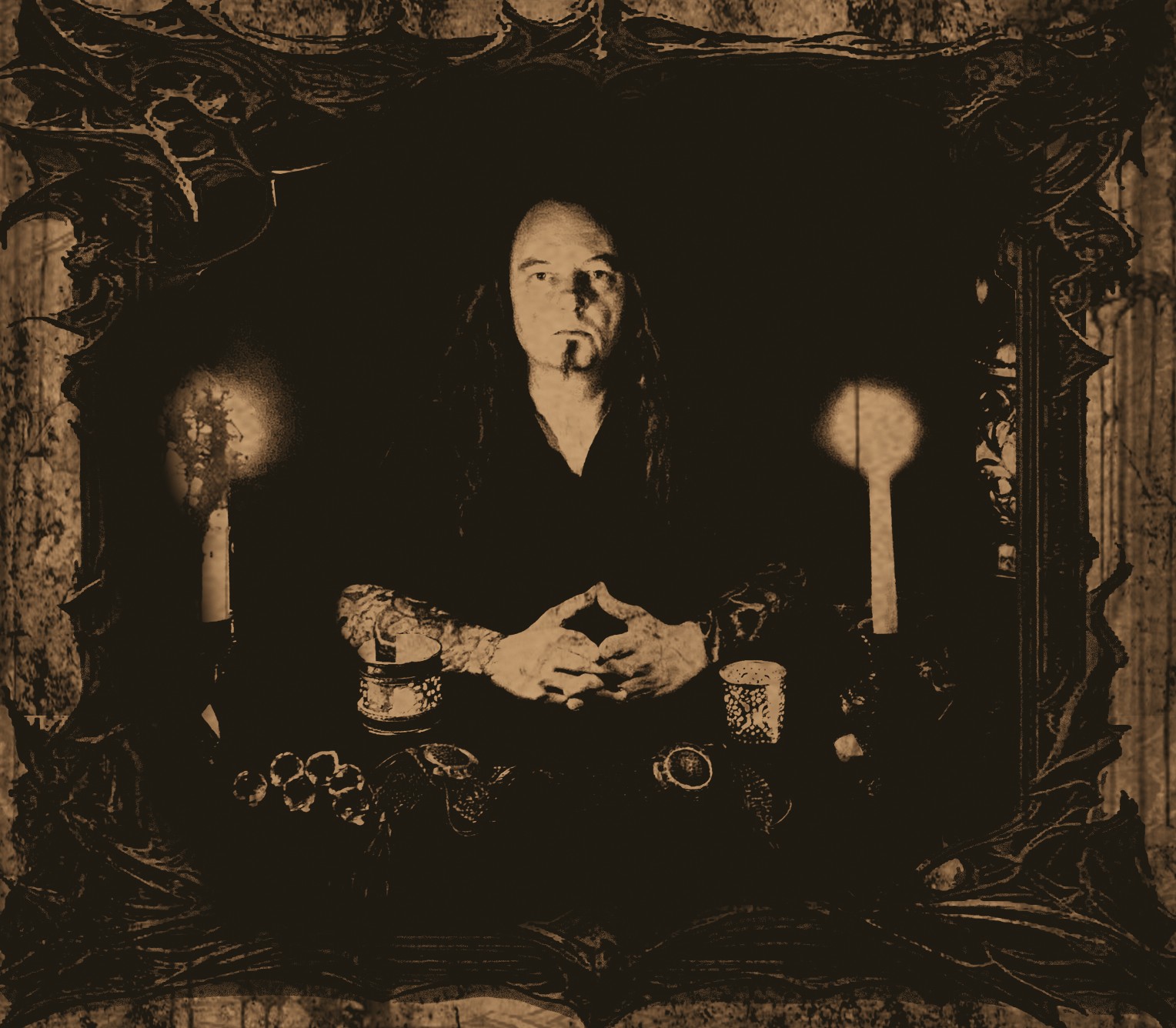
This year saw the release of the debut album from your project FAUSTUS. What does that project mean to you? Was it well received by the audience?
The FAUSTUS project is a completely different artistic space for me, where I can explore darker, mystical, and more reflective themes that sometimes don’t fit within the framework of CHRIST AGONY. It’s a project where I can combine music with literature, philosophy, and personal reflections, creating a unique atmosphere and narrative. The debut album was well received by both the audience and critics, which makes me very happy because it shows that it’s worth following your heart and realizing your own visions, even if they are less commercial and more niche.
Over 10 years ago, CHRIST AGONY shows were banned in Poland by religious fanatics. Has the situation in the country changed since then? Are the Polish people less religious now?
Yes, back in the 2000s, CHRIST AGONY shows were sometimes banned locally in Poland — not by the government, but by religious activists who objected to the band’s image and lyrics.
Since then, the situation has changed. Polish society is becoming more secular. According to the 2021 census, 71% of people still identify as Catholic, but only about 28% attend Mass regularly — and among young people, that number is even lower.
Many now describe themselves as spiritual rather than religious, and more are distancing themselves from the Church. So yes, I’d say the atmosphere is much more open today than it was a decade ago.
At one point, you wrote poetry and plays. Do you still pursue that? Have you managed to publish/stage anything?
Yes, in the past I wrote poetry and even experimented with short theatrical forms. It was always a personal and intimate form of expression — something parallel to music, but never fully exposed to the public. I haven’t published or staged anything formally, but fragments of those writings often find their way into my lyrics.
Writing — whether music, lyrics, or poetry — has always been a spiritual act for me. Even if not everything is meant to be shared, it still shapes the way I create and express myself.
I believe that one of my poetry collections will soon be unveiled as a special companion to the upcoming FaustuS album — a perfect moment to finally step into that world and make my poetic debut.
…Just feel free to add anything!
For me, music has always been more than sound — it’s a spiritual act, a ritual, a journey inward. With Anthems, I return to the roots of CHRIST AGONY, but with the awareness of everything I’ve lived through and learned. This is not just another album — it’s a testimony, a voice from the shadows, and a reflection of the path that still lies ahead.
Thank you to everyone who has stayed with me through all these years — your presence gives meaning to the silence between the notes.