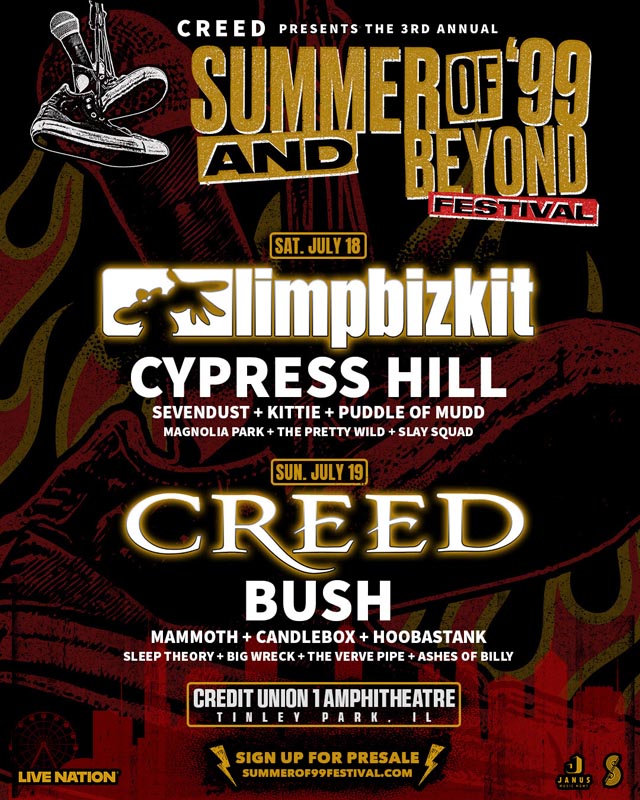
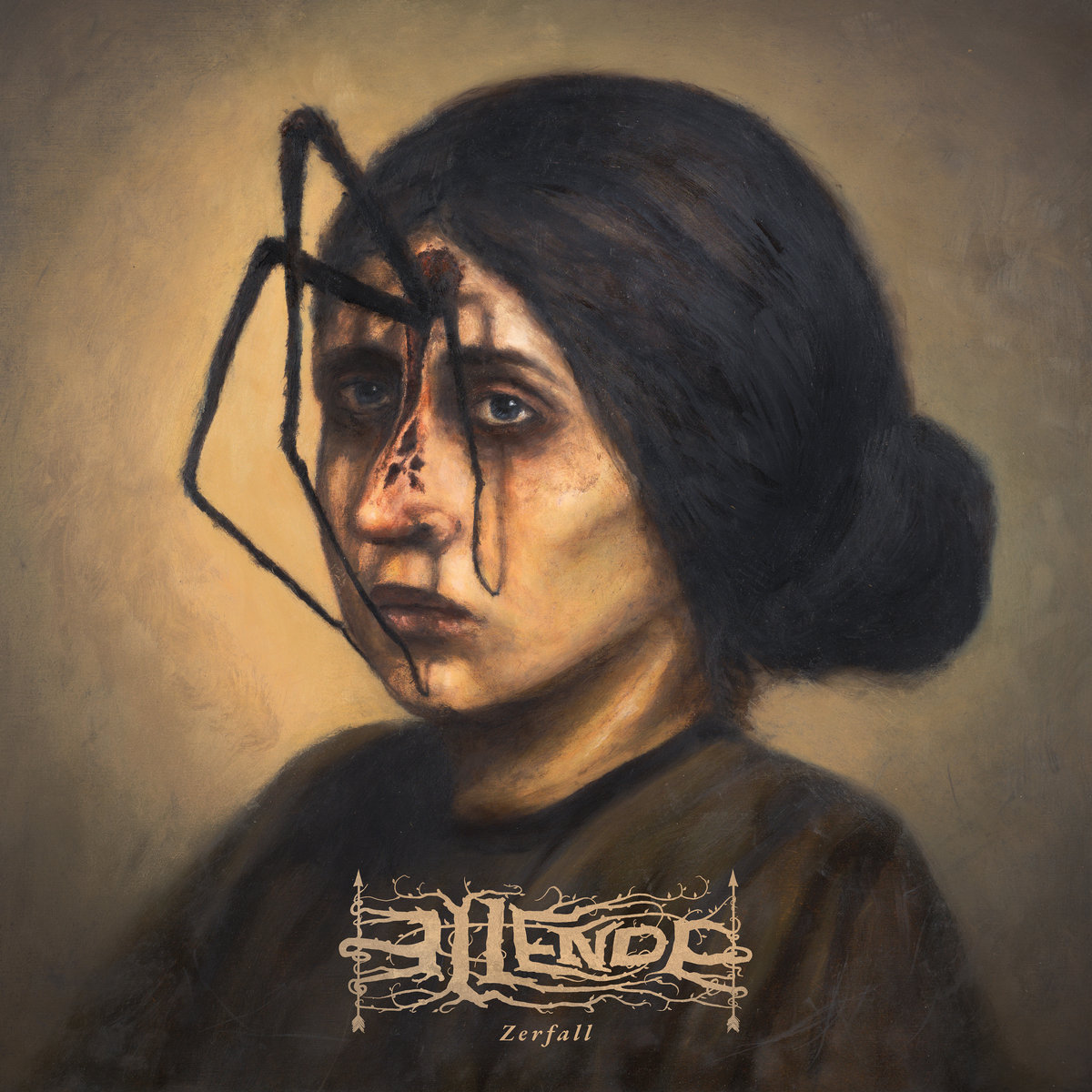
With their sixth studio album Zerfall arriving on January 2nd via AOP Records, Austrian atmospheric black metal project ELLENDE, led solely by multi-instrumentalist and painter Lukas Gosch (L.G.), continues its ascension through the bleak and the beautiful. Zerfall — translated as “being shattered”—explores the process of slowly and painfully rebuilding oneself. It follows the acclaimed 2024 full-length Todbringerin and once again features the project’s signature blend of atmospheric black metal, classical instrumentation, and deeply emotional expression. The album’s artwork is an oil painting created by L.G. himself.
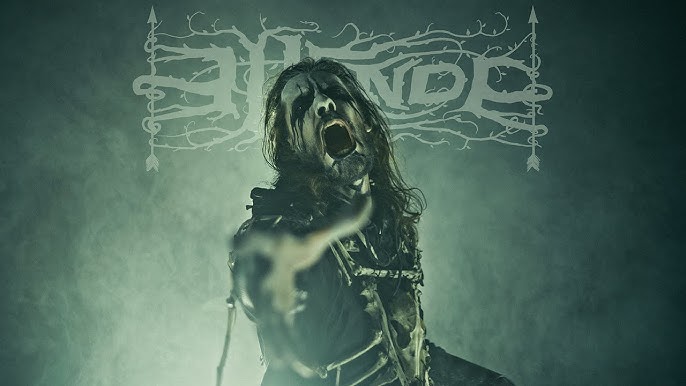
Founded over a decade ago in Graz as an anonymous, introverted solo project, ELLENDE has evolved into a globally recognized name with over two million annual streams, charting albums, and more than 120 international performances. While firmly rooted in atmospheric black metal, the music stretches beyond genre boundaries, embracing elements of classical music, melancholic post‑metal, and cinematic ambience.
In support of Zerfall, we spoke with L.G. about grief, art, connection, and the long path toward healing.
I haven’t heard the full album yet, but beyond the early singles, the artwork struck me immediately. Is it a new painting created specifically for this record, or did it exist before the music?
All paintings used in ELLENDE are created specifically for the respective albums. I only start working on the artworks when all the music is finished and mastered. Both mediums enrich each other.
Do you consider yourself more of a painter or a musician — and which of these arts feels more essential for your self-expression? Also, regarding your paintings, which one do you consider your best (and could you share a link to where it can be viewed)?
I do not see these things as separate. All are forms of expression. I distinguish between the art I do and my function as a researcher and part of society. One is pure emotion, one provides solutions.
Aside from artwork, you occasionally handle the video aspect of ELLENDE as well. Have you ever wanted to combine everything—painting, music, and film—into a single project? For example, a long‑form visual piece or an immersive performance built around imagery?
I did the animation for “Wahrheit Teil II”. In that case, everything from music to video was done by myself. I wanted to see if I could do it, but I always knew it would remain a one‑time experiment. Frame‑by‑frame 2D animation is one of the most time‑consuming things you can imagine.
The press release for Zerfall mentions that a tragic personal event influenced its creation. What happened, if you’re comfortable sharing? And in your experience, how effective is music as a form of therapy?
Yes, this album emerged from the grief of losing my brother. I tried not to make it too obvious and to deal with it in a subtle way. There are no answers to any of this in the universe. Live with it or do not. It seems I am here living with it.
One thing I notice in your songs is that despite all the emotional tension—the screams, the depressive tone—there is also a sense of light: that faint “end of the tunnel,” the feeling that no matter how hard things get, they can still be endured. Does that mean you’re an optimist at heart?
Yes.
What qualities in people do you dislike the most?
Egoism, lack of empathy, ignorance.
Since ELLENDE is a solo project, is it easy for you to find the right people for studio recording or live performances? What are your main criteria when choosing session musicians?
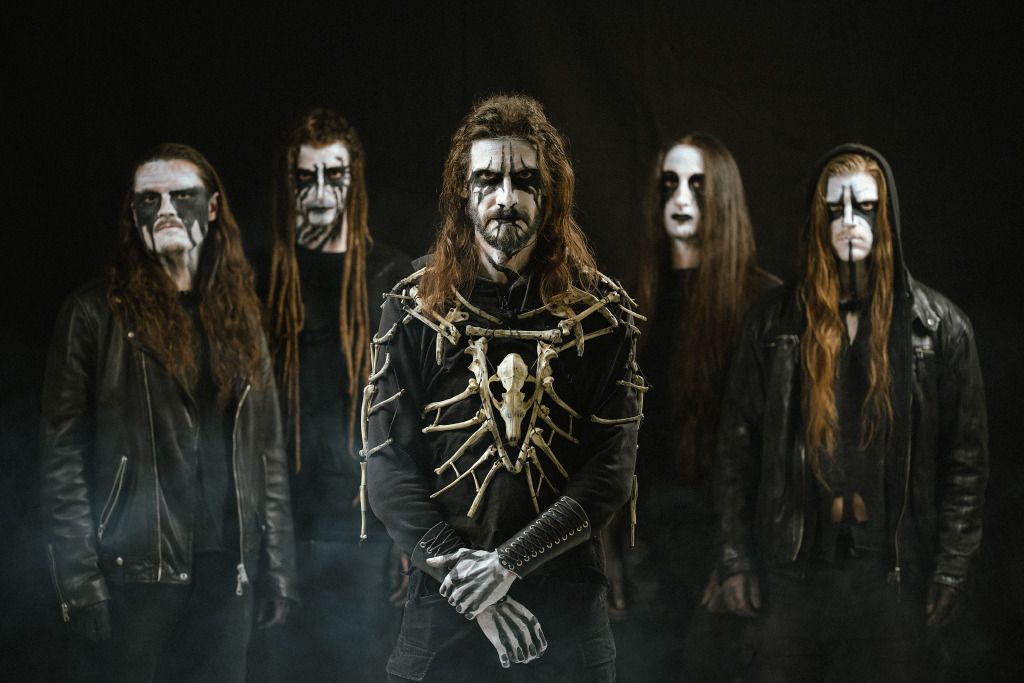
The session musicians in ELLENDE are mostly the same people for far over a decade. At some point I had to incorporate substitutes because of availability. Everyone plays in multiple bands or has personal projects, which makes things harder to manage.
Given how intimate and emotionally charged ELLENDE’s music is, is it always easy to establish a connection with the audience during concerts? Does it bother you when, in the middle of these almost magical moments, people in the front rows hold up their phones? Does it break the atmosphere?
People rarely use their phones except to film certain parts. The energy from the audience is always important.
People often draw parallels between ELLENDE and HARAKIRI FOR THE SKY. You started around the same time, were on the same label, and although you don’t play identical music, you exist in a similar field. Do the two bands feel any sense of competition—or more of a shared purpose?
People are not aware that the first ELLENDE album was released more than half a year before the first HARAKIRI FOR THE SKY album. We shared our first live show on the same stage, but before that I did not know them at all. The link was made because a strong friendship developed and Paul later started doing session drums for them. Apart from that, the music is different. HARAKIRI FOR THE SKY is more approachable to a broader audience in my opinion, without any value judgment.
I also struggled a lot with the labels I was signed to back then, which caused involuntary stagnation for the whole project. But I am proud of them and what they achieved. J.J. was the first person I ever asked for a guest appearance in ELLENDE. These things grow out of friendship and mutual appreciation.
Does using German in your lyrics limit your audience to Austria and Germany? Does the language choice matter at all in this genre?
The label says yes, but I don’t mind it. Some snippets on recent albums are in English, but I use whatever feels right. Austrian dialect, German, and English can inherently express different things.
With the year coming to an end, how would you evaluate it for yourself? What worked out, what didn’t? Which releases of 2025 impressed you the most? And which events?
The last years I was busy surviving. The death of my brother was something my family did not expect in a lifetime. I always thought he would outlive me. It showed me that many things are simply not important. I follow my passions no matter what.
If ELLENDE were a New Year’s alcoholic cocktail, what would the ingredients be?
Star anis, cinnamon, and gin tonic. Probably tastes horrible, but let’s try!
And what would you wish for yourself in the coming year? Do you believe it will be better than the one that’s ending?
“Ein Schmerz in der Brust, aber ich lebe!” – Pain in the chest, but still alive and appreciating life, so yes, this will be awesome.