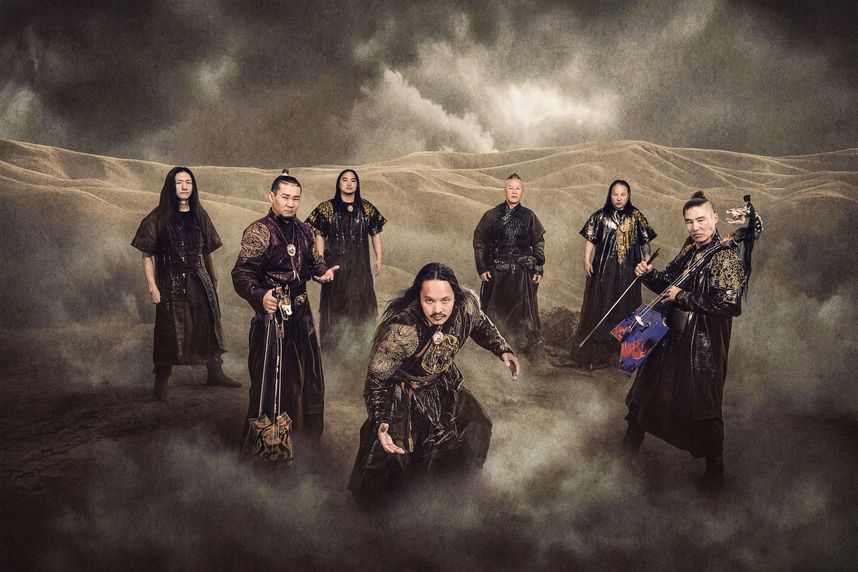
Few debut albums arrive with such a clear sense of place, purpose, and identity as Human Herds. With their first full-length release, Mongolian seven-piece UUHAI don’t simply introduce a new band to the global heavy music scene — they open a wide gateway into the spiritual, historical, and emotional landscape of their homeland.
Blending heavy rock and metal foundations with throat singing, morin khuur, ritualistic chants, and a cinematic sense of atmosphere, Human Herds feels less like a collection of songs and more like a guided journey across the Mongolian steppe. Sung entirely in Mongolian, the album reflects on humanity’s relationship with nature, migration, belief, and collective responsibility — themes that feel both ancient and urgently modern. From galloping anthems and battle cries to meditative passages rooted in shamanic tradition, UUHAI manage to sound grounded and expansive at the same time.
Released on January 9, 2026 via NAPALM RECORDS, Human Herds marks a major step not only for the band, but for Mongolian heavy music as a whole. With growing international attention and a European tour alongside NANOWAR OF STEEL, UUHAI are stepping onto the world stage with a clear artistic vision — one that refuses to be reduced to stereotypes or expectations.
We spoke with drummer, founder, and main songwriter Otgonbaatar Damba about Mongolia’s metal scene, cultural identity, throat singing, winter survival, global touring from Ulaanbaatar, and the deeper ideas behind Human Herds.
Hi guys, and thank you so much for taking the time to answer these questions! Congratulations as well on the completion of the debut album!
Thank you very much for your kind words and for taking the time to speak with us. We truly appreciate the support and the opportunity to share our journey and our music. Completing our debut album Human Herds has been a meaningful moment for all of us, and we are excited to finally bring it to listeners around the world.
According to The Metal Archives, Mongolia doesn’t have that many metal bands, and most of them seem to come from Ulaanbaatar. Why do you think that is? Is metal still a niche genre in Mongolia, or is it slowly growing? What kind of music do most Mongolians listen to in everyday life?
Mongolia is a large country with a relatively small population, and most cultural activity is naturally centered in Ulaanbaatar, where studios, venues, rehearsal spaces, and media are located. That is why many bands come from the capital. Outside the city, life is more rural and spread out, so it is harder to build a scene with regular shows and infrastructure.
Metal is still a niche genre in Mongolia, but it is slowly growing. In the 1990s, there were only a handful of bands and very limited access to instruments or recordings. Today, many young musicians are forming new projects, learning production, and sharing their music online. There is more curiosity and more opportunity than before, even if the scene remains small compared to Europe or the US.
In everyday life, most Mongolians listen to a wide mix of music. Traditional folk, pop, hip hop, and modern Mongolian rock are very popular, especially among younger generations. You will hear everything from long songs and morin khuur to contemporary pop and rap on the streets of Ulaanbaatar. Metal is not mainstream, but it has a loyal and passionate community, and that community continues to grow with each new generation.
Do you have truly extreme bands in Mongolia — death metal, black metal, or similar styles — or is the scene mostly focused on other subgenres?
Yes, there are extreme metal bands in Mongolia as well, including death metal, black metal, and other heavy underground styles, but they exist on a much smaller scale.
The scene is still developing, so these bands are usually very independent and operate mostly in the underground. They rehearse in small spaces, share music online, and play occasional local shows. There is not yet a large network of dedicated extreme metal venues or festivals inside Mongolia, so everything grows through passion rather than infrastructure.
That said, the spirit is strong. Many young musicians are exploring heavier sounds, experimenting with different subgenres, and blending them with their own influences. While Mongolian rock and folk metal tend to be more visible internationally, there is also a quiet but dedicated extreme metal community at home, slowly building its own identity and future.
Are there rock or metal clubs in Mongolia? How often do concerts happen? What was the last show you personally visited or played back home?
Yes, there are a few rock and metal clubs in Mongolia, mainly in Ulaanbaatar, but concerts do not happen very often. The scene is active but small, and shows usually take place only a few times a month rather than every week. Most venues are not dedicated exclusively to metal, so concerts depend on promoters, seasons, and availability.
As a band, the last show we played back home was in Ulaanbaatar during our national holiday in July last year, before we fully focused on our international activities and touring. Playing at home is always special because it reminds us where everything started, even though opportunities to perform live in Mongolia are more limited compared to Europe.
What kind of music did you grow up with? Who were your biggest inspirations from the rock and metal world? Do you remember the very first metal band you ever heard — and what your reaction was at that moment?
We grew up with a wide mix of music. At home, we heard traditional Mongolian folk, long songs, morin khuur, and throat singing, alongside pop and rock that came through radio and television. For many of us, music was always present in daily life, even before we discovered metal.
When we eventually encountered rock and metal, it felt like a new kind of energy entered our world. Bands from the international scene showed us the power of heavy riffs, strong rhythms, and emotional intensity. That raw force connected naturally with the strength we already felt in traditional Mongolian music.
Access to metal was not easy in the early days. Recordings were rare, and CDs or cassettes were often shared between friends. We still remember hearing heavy music for the first time and feeling shocked, excited, and inspired all at once. It was loud, honest, and full of spirit. That moment opened a door and made us realize that music could be both powerful and deeply expressive.
Over time, those early discoveries blended with our own cultural roots. That combination is what eventually led us to create UUHAI.
Lyrically, what is your debut album Human Herds about? I noticed a song called “Dracula” — and after THE HU, the world seems to think Mongolian bands can only sing about Genghis Khan 🙂 How do you play with or break those expectations?
Lyrically, Human Herds is about humanity as a whole. The album reflects on how people move together, think together, and sometimes lose balance together. It speaks about our relationship with nature, responsibility, unity, and the choices we make as a collective. While Mongolian history and worldview are always present in our music, the themes are not limited to one nation or one time period.
The song “Dracula” is a good example of how we play with expectations. We did not choose it to be provocative, but to explore a universal symbol. Dracula represents darkness, imbalance, and the act of taking without giving. These ideas fit naturally into the concept of Human Herds. It is less about the character itself and more about what that figure represents in human behavior.
We respect our history deeply, including figures like Genghis Khan, but Mongolia is not defined by one name or one story. Our culture contains many layers, emotions, and philosophies. With Human Herds, we wanted to show that Mongolian bands can speak about global human themes through our own cultural voice, without repeating the same symbols again and again.
Speaking of THE HU — how do you feel about them? Did you ever expect such massive international success for a Mongolian band? And how do you think UUHAI can surprise the world after them?
We feel respect and pride. Any Mongolian band reaching such a wide international audience brings attention to our country, our culture, and our music, and that is something we genuinely appreciate. Their success showed the world that Mongolia has a strong musical voice, and for that we are grateful.
Did we expect it on that scale? Honestly, no. It was surprising even for people inside Mongolia. But it also opened many eyes globally and made listeners curious about Mongolian culture beyond what they already knew.
For UUHAI, we are not trying to compete or follow the same path. Our focus is simply to be ourselves. We bring a different energy, with heavier rhythms, denser vocals, strong percussion, and a very spiritual connection to nature and ritual. Our goal is not to surprise through comparison, but through honesty. If the world feels something real in our music, that is enough for us.
Who works on your stage image and outfits? How important is the visual side of UUHAI for you?
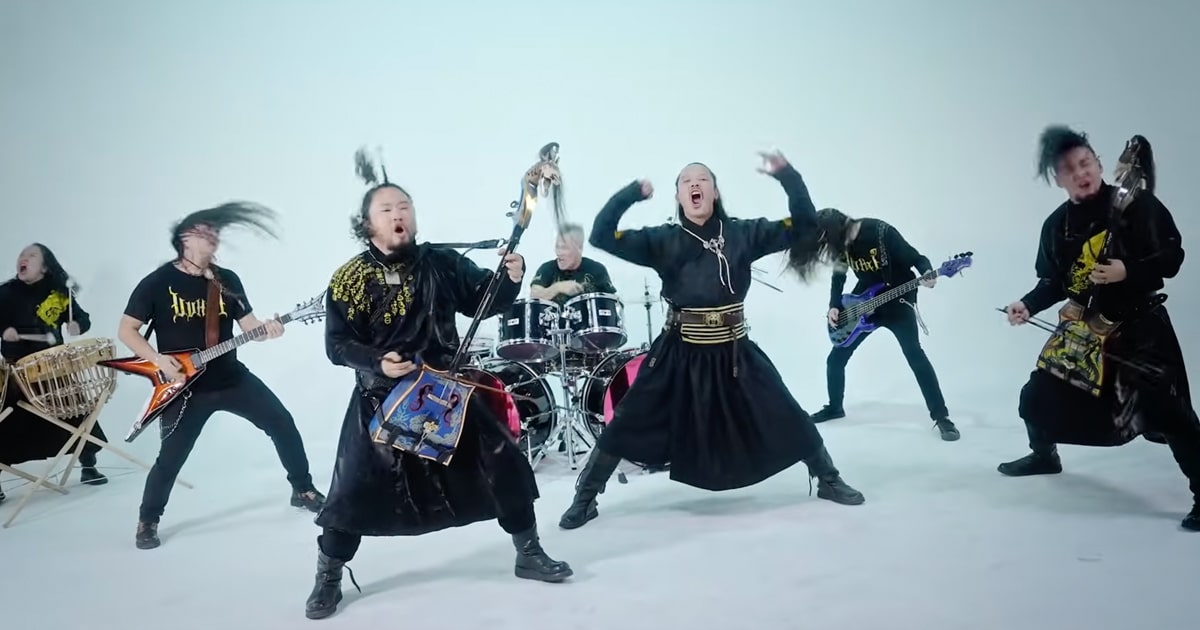
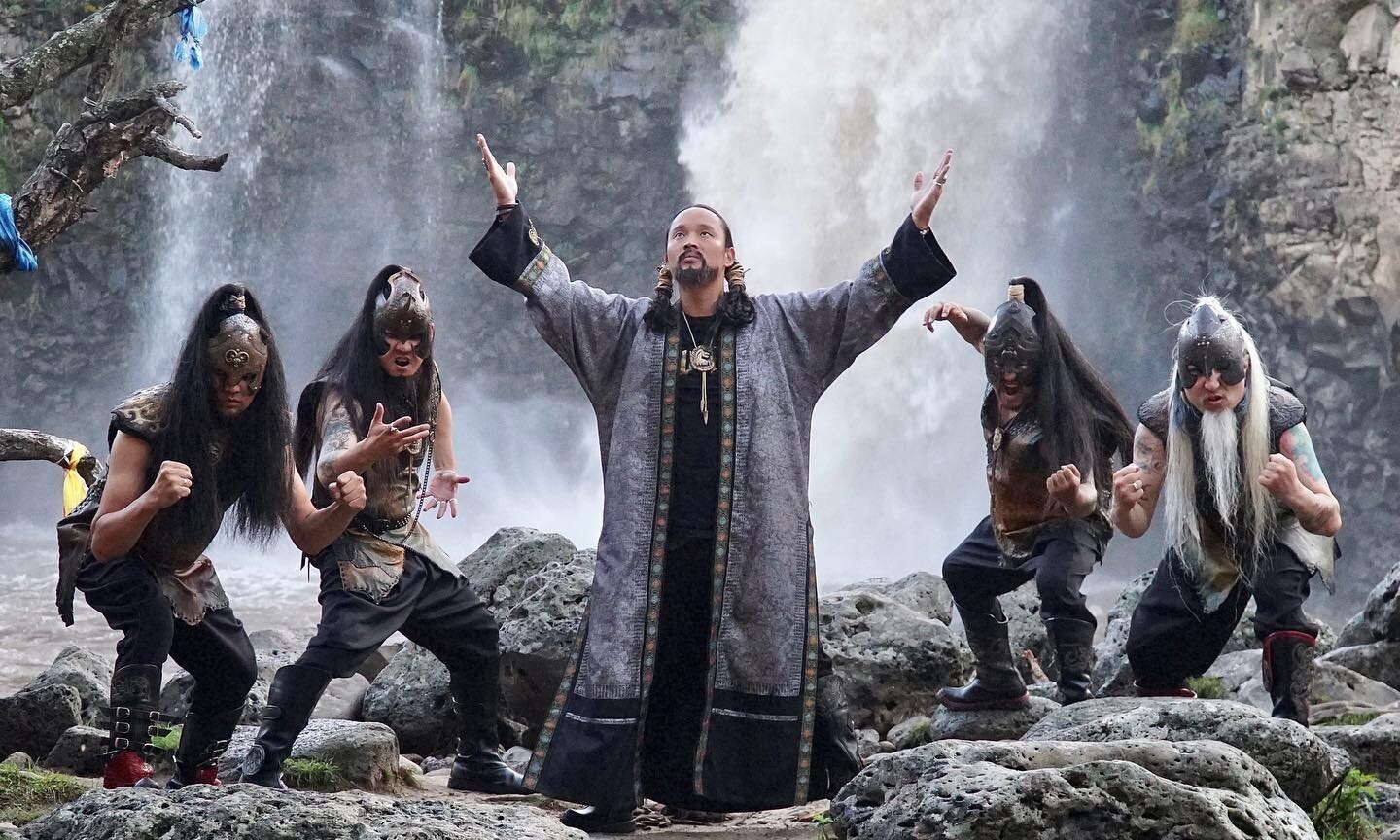
Our stage image is something we build together as a band, with the help of a wider UUHAI community. We are supported by many talented people around us, including artists, makeup professionals, video makers, and designers who believe in our vision and help bring it to life. It is not just one person’s work — it is a collective effort.
The visual side of UUHAI is very important because it completes the story of the music. Every detail, from fabrics to shapes to accessories, reflects our roots, history, and connection to nature. We want people to feel Mongolia even before the first note is played.
At the same time, everything has to work practically on stage, allowing movement, energy, and real connection with the audience. For us, sound and image belong together. With the support of our creative community, we are able to express UUHAI as a full experience, not only through music but through visuals and atmosphere.
Name five things you truly love about Mongolia — and five things you honestly don’t like at all.
That is a very honest question, and we are happy to answer it openly.
Five things we truly love about Mongolia:
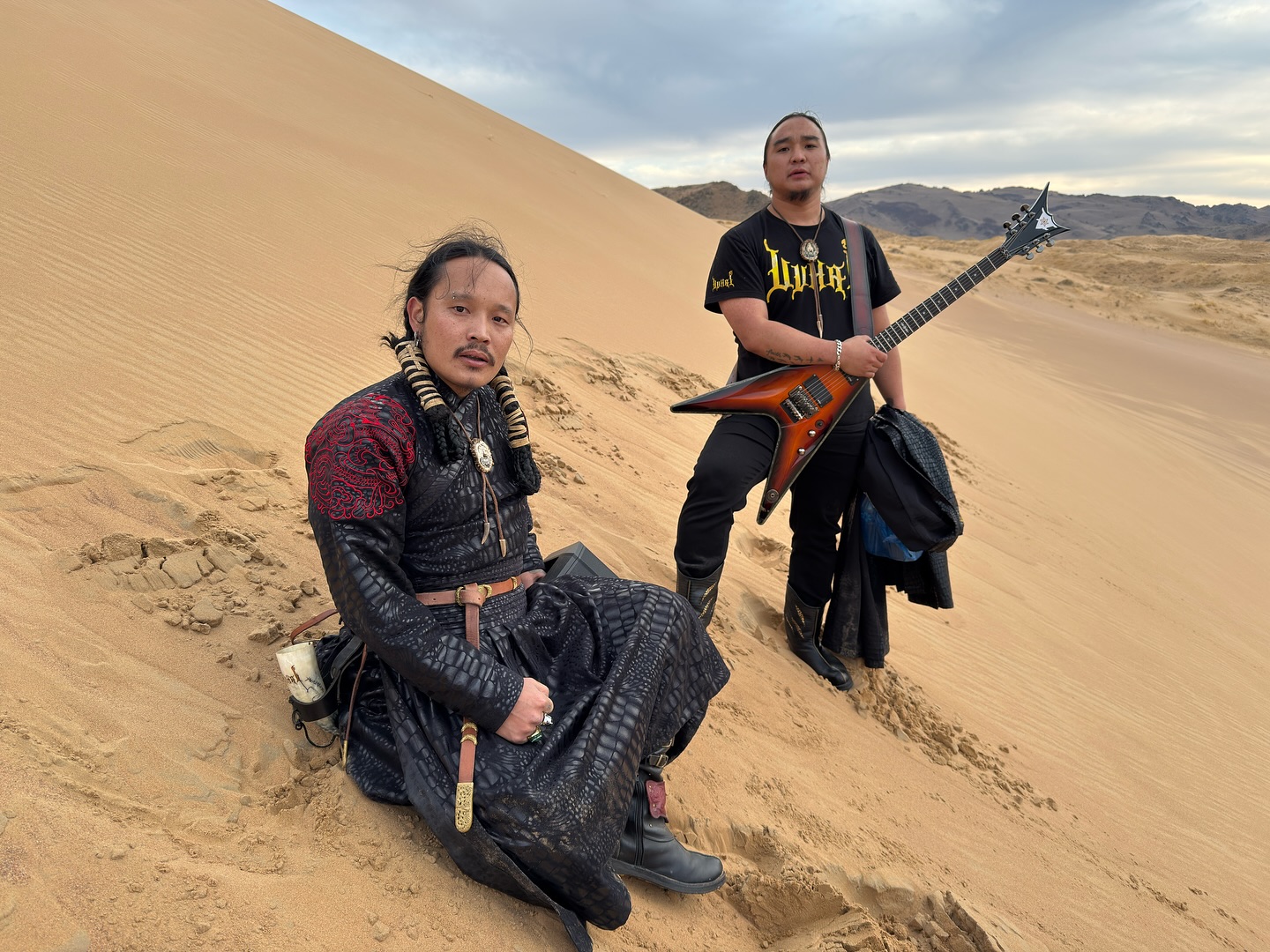
- The vast open landscapes. The steppe, mountains, and skies give us space to breathe and think.
- Our deep connection to nature and the nomadic spirit, which teaches respect for the earth.
- Traditional culture and music, especially morin khuur, throat singing, and long songs that carry centuries of wisdom.
- The strength and resilience of Mongolian people, who know how to endure hardship and still keep warmth in their hearts.
- Our history and sense of identity, which continue to inspire our music and our lives.
Five things we honestly struggle with:
- Air pollution in Ulaanbaatar during winter, which affects health and daily life.
- Limited infrastructure for live music and the arts, especially for rock and metal.
- Economic challenges that make it difficult for many young people to pursue creative dreams.
- Traffic and overcrowding in the capital city.
- Bureaucracy and corruption in government, and seeing unskilled or uneducated people placed in leadership positions while taxpayers support them and real work is often not done.
We love our country deeply, and these challenges are exactly why we feel responsible to speak about balance, respect, and care for the future through our music.
Ulaanbaatar is known as the coldest capital city in the world. How do you survive the winters? How do you usually keep yourselves entertained when it’s freezing outside?
Yes, Ulaanbaatar winters are no joke. It can get extremely cold, and sometimes it feels like the city freezes in place. You learn to respect winter here.
We survive mostly through experience and habit. Warm clothes are essential, of course, but more importantly, Mongolians grow up knowing how to live with the cold. We drink a lot of hot tea, eat warm traditional food, and spend time indoors with family and friends. Winter also teaches patience.
When it is freezing outside, we usually focus on creating. That is often when ideas come together. We rehearse, write music, work on arrangements, and plan future projects. Some of us also watch films, play games, or simply gather and talk. In a way, winter becomes a quiet creative season. The cold outside gives space for reflection, and that often finds its way into our music.
How difficult is it to learn Mongolian throat singing? What is the most important part of mastering it? Can everyone in the band sing, or only specific members?
Mongolian throat singing is not easy to learn. It takes time, patience, and a lot of listening. The most important part is breath control and inner focus. You are not only using your throat, but your whole body, especially deep breathing from the stomach. It also requires learning how to shape sound inside the mouth and control very small muscles in the throat.
Beyond technique, there is also a mental and spiritual side. Throat singing traditionally comes from listening to nature and trying to imitate wind, water, animals, and open space. That connection is just as important as the physical practice.
In UUHAI, not everyone is a throat singer. We have specific members who specialize in throat singing and overtone vocals, while others focus on instruments and the rock foundation. Everyone contributes their own role, and together it creates the full sound of the band.
If, with the support of NAPALM RECORDS, strong promotion, and growing interest in your music, UUHAI achieves success in Europe and North America — how realistic is it to tour constantly while being based in Mongolia? How long did flights take during your most recent tour?
Touring internationally while being based in Mongolia is definitely challenging, but it is also something we accept as part of the journey. Mongolia is far from most major touring routes, so every trip requires long flights, careful planning, and strong support from our partners. With NAPALM RECORDS and our current partner VAIN PRODUCTION, it becomes realistic, even if it is never easy.
On our most recent tour, flights to Europe took roughly twelve to fifteen hours in the air, often with connections, and door-to-door travel can easily turn into twenty hours or more. It is physically demanding, especially when you arrive and quickly move into rehearsals or shows, but once we step on stage, the energy of the audience makes the fatigue disappear.
We see touring not just as travel, but as a responsibility. If our music connects with people in Europe or North America, then the distance is worth it. Mongolia may be far geographically, but music shortens that distance.
What is your biggest dream — musically and personally?
Musically, our biggest dream is to bring Mongolian music and spirit to every corner of the world. We want to stand on major stages across Europe, North America, Asia, and beyond, sharing our culture through heavy music, traditional instruments, and honest emotion. We hope to build a long-lasting career where UUHAI continues to grow, create meaningful albums, and inspire younger generations in Mongolia to believe that global dreams are possible.
Personally, our dream is much simpler. To stay healthy, stay connected to our families, and remain true to who we are while traveling the world. We want to keep learning, keep creating, and live in balance with nature. If our music can help people feel stronger, more united, and more aware of the earth we all share, then we feel we have done something meaningful with our lives.
And finally: a few words about the album. Who would you recommend Human Herds to? Are you fully satisfied with the final result?
We would recommend Human Herds to anyone who is open to discovering something deeper than just music. It is for metal fans, of course, but also for people who care about nature, culture, and the human story. You do not need to understand Mongolian to feel the emotion. If you enjoy powerful rhythms, spiritual atmosphere, and music that carries meaning, this album is for you.
Are we fully satisfied? In art, you are never completely finished. There is always more you could explore or improve. But we are proud of this album. It represents who we are right now — our roots, our journey, and our message. Human Herds is an honest reflection of UUHAI, and we are grateful to share it with the world.
Thank you very much! Feel free to add anything you want. And wishing you all kinds of success — hoping to see you on an American tour soon.
Thank you so much for your kind words and support. We truly appreciate it.
We would just like to say thank you to everyone who has taken the time to listen to our music, come to our shows, or share our story. Every connection matters to us. UUHAI exists because of people who are open to different cultures and sounds, and we carry that energy with us wherever we go.
We are very open to new opportunities around the world, including North and South America, and we sincerely hope to meet audiences there soon. Until then, please take care of each other, respect Mother Earth, and stay true to your roots.
We will meet again under one sun and one moon.
Uuhai.